Value of all cryptocurrencies
Let’s talk about the elephant in the room: environmental impact. PoW has been slammed for its carbon footprint. It’s the energy-hungry beast of the blockchain world live casino online usa. PoS, however, is stepping up as the eco-hero, requiring far less energy to operate. So, when asking “do all cryptocurrencies use blockchain,” consider the environmental angle too.
Understanding the difference between blockchain and crypto is essential for navigating the digital economy. Blockchain is transforming industries, while cryptocurrency remains a major innovation in finance.
Beyond that, cryptocurrencies enable asset tokenization, simplifying trading and ownership transfers. And let’s not forget smart contracts, especially in the Ethereum network, which automate and enforce deals without needing a middleman.
When discussing crypto vs blockchain, it’s essential to understand the foundational elements of blockchain. Data is stored in “blocks,” which are cryptographically linked together. The system is decentralized, meaning no single entity has control. Instead, it’s a collective effort. The data is not just irreversible but also transparent, adding another layer of security.
Blockchain is a decentralized and secure system for recording information. Unlike traditional databases controlled by a central authority, blockchain stores data across a network of computers, ensuring that records cannot be altered or deleted.
Are all cryptocurrencies mined
In addition, mining hardware may need to be upgraded relatively often, as they tend to become obsolete rather quickly. New models will outperform old ones, and if miners lack the budget to upgrade their machines, they will likely struggle to remain competitive.
With the number of new bitcoins issued per block decreasing by half approximately every four years, the final bitcoin (realistically the final satoshi) is not expected to be generated until 2140 (it might be earlier). The number of new bitcoins minted per block was 50 when Bitcoin was first established and has since decreased to 3.125 as of 2024—the next halving to 1.5625 is expected sometime in 2028.
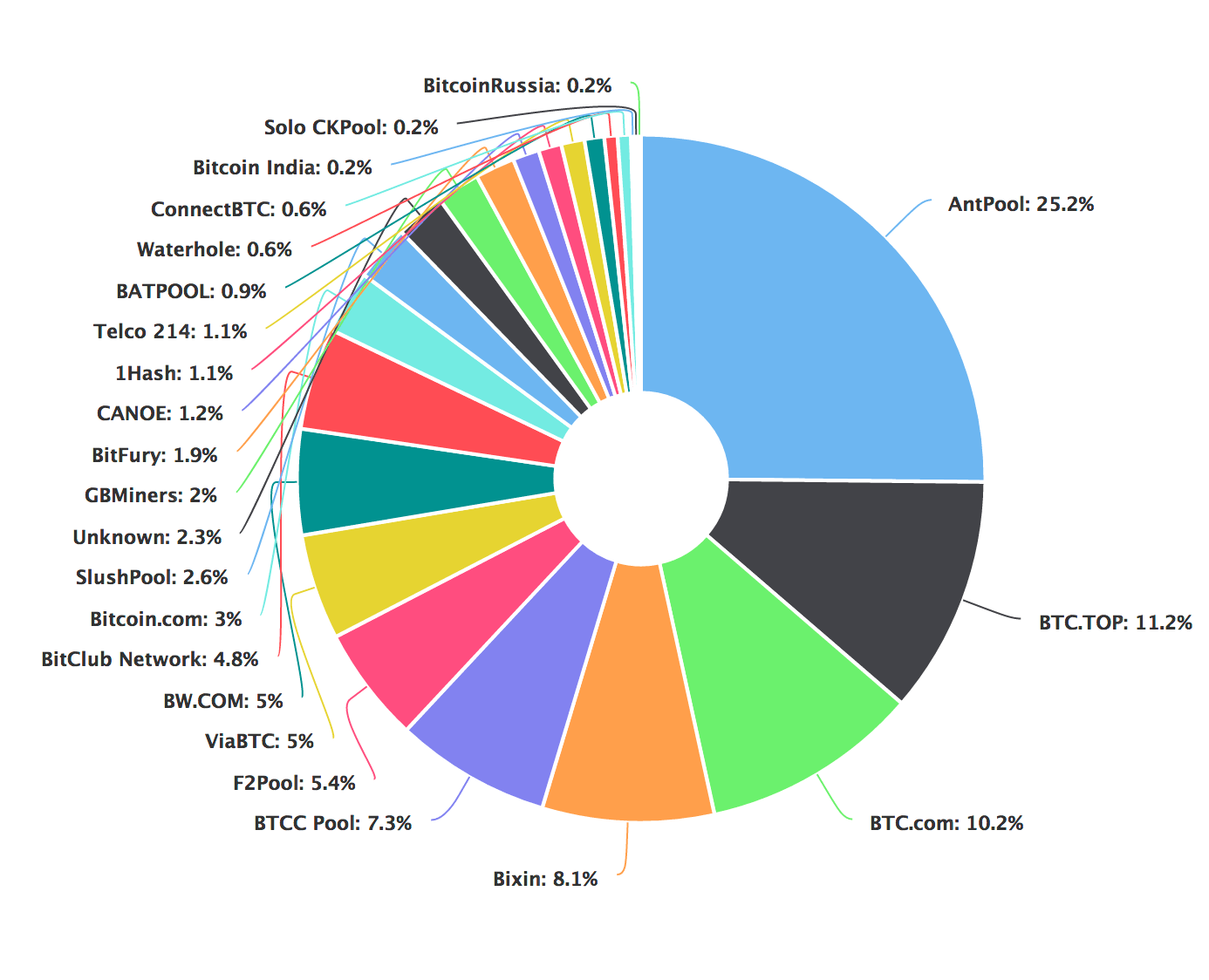
In addition, mining hardware may need to be upgraded relatively often, as they tend to become obsolete rather quickly. New models will outperform old ones, and if miners lack the budget to upgrade their machines, they will likely struggle to remain competitive.
With the number of new bitcoins issued per block decreasing by half approximately every four years, the final bitcoin (realistically the final satoshi) is not expected to be generated until 2140 (it might be earlier). The number of new bitcoins minted per block was 50 when Bitcoin was first established and has since decreased to 3.125 as of 2024—the next halving to 1.5625 is expected sometime in 2028.
In addition to electricity costs, massive mining farms may need to spend quite a bit of money on new equipment, which can go obsolete in a matter of months. Similarly, large mining farms may require cooling systems, since servers and graphics processing units can generate a lot of heat.
However, as more people began to mine BTC and the network’s hash rate increased, profitable mining became increasingly difficult. The advent of specialized mining hardware with greater processing power eventually made CPU mining nearly impossible. Today, CPU mining is likely no longer a viable option, as most miners use specialized hardware.
Are all cryptocurrencies based on blockchain
Yes, each cryptocurrency has its own unique blockchain, which is a decentralized, digital ledger that records transactions and facilitates the exchange of that coin. This allows for independent operation and management of each cryptocurrency.
Teresa Halvorson is a skilled writer with a passion for financial journalism. Her expertise lies in breaking down complex topics into engaging, easy-to-understand content. With a keen eye for detail, Teresa has successfully covered a range of article categories, including currency exchange rates and foreign exchange rates.
Not all blockchains follow this process. For instance, the Ethereum network randomly chooses one validator from all users with ether staked to validate blocks, which are then confirmed by the network. This is much faster and less energy intensive than Bitcoin’s process.

Yes, each cryptocurrency has its own unique blockchain, which is a decentralized, digital ledger that records transactions and facilitates the exchange of that coin. This allows for independent operation and management of each cryptocurrency.
Teresa Halvorson is a skilled writer with a passion for financial journalism. Her expertise lies in breaking down complex topics into engaging, easy-to-understand content. With a keen eye for detail, Teresa has successfully covered a range of article categories, including currency exchange rates and foreign exchange rates.
Not all blockchains follow this process. For instance, the Ethereum network randomly chooses one validator from all users with ether staked to validate blocks, which are then confirmed by the network. This is much faster and less energy intensive than Bitcoin’s process.
